
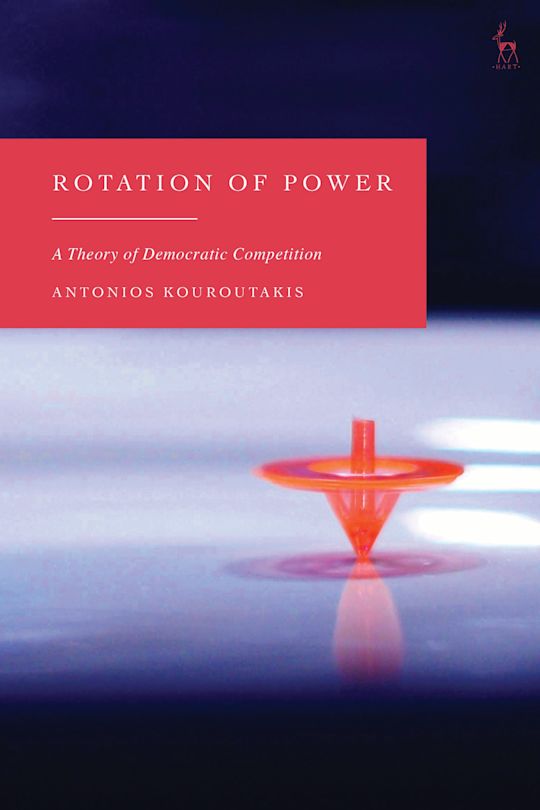
Rotation of Power; A Theory of Democratic Competition
Purchase This Book At:

Description
Get the spanish version here!
This book explores the often-overlooked democratic principle of ‘rotation of power’.
It considers two key questions: what happens when power stops changing hands in a democracy, and when incumbents manipulate the system to entrench themselves in office, can democracy survive?
Democracies are often celebrated for their ability to ensure accountability and renewal through the peaceful and unhindered alternation of power. Yet, they are not immune to a dangerous phenomenon: political self-entrenchment. This phenomenon occurs when incumbents, unilaterally or collectively, exploit the power of office to dominate the political arena, tilt the playing field, and distort democratic competition. Contributing to scholarly and judicial debates, this book offers a fresh perspective on this issue by focusing on the cornerstone value of democracy: the rotation of power.
Through sharp analysis and case studies from multiple jurisdictions, this book tackles the following critical questions: why is the rotation of power fundamental to democracy? How do incumbents undermine it? And, crucially, how can we protect democratic competition from those who seek to monopolise power?

Dr. Antonios Kouroutakis, Professor of Public Law and DPhil in Law from the University of Oxford, has conducted research at the City University of Hong Kong, the Free University of Berlin, FVG Sao Paolo, and Aristotle University of Thessaloniki. His broad experience in difference countries gave Antonios a global vision of the law, something he lives and breathes everyday as a professor at IE Law School. “Being a professor is a unique and creative role in the sense that you have to pass on to the new generation the achievement of past and present generations while conveying the message that they have to go a step further”.
